


Department of Pulmonology
Pulmonology
The Department of Pulmonology / Respiratory Medicine provides evaluation and treatment for disorders of the lungs, airways and breathing. Patients may be referred for persistent cough, wheezing, breathlessness, recurrent chest infections, abnormal chest imaging, low oxygen levels, suspected tuberculosis, snoring with daytime sleepiness or chronic respiratory disease. The service should combine outpatient respiratory care, inpatient consultation and collaboration with Emergency Medicine and Critical Care.
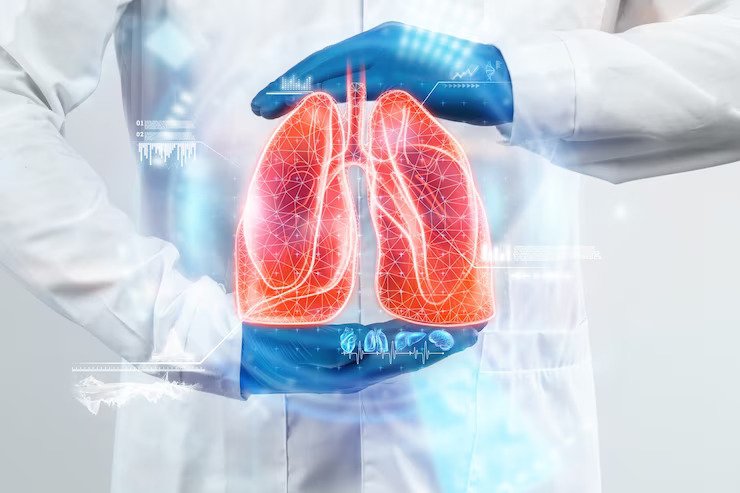

Centre of Excellence in Pulmonology
Asthma and chronic obstructive pulmonary disease (COPD) are common chronic airway diseases requiring accurate diagnosis, inhaler optimisation, trigger reduction, vaccination advice and follow-up. Lung infections may range from routine pneumonia to complex infections requiring hospital care. Interstitial lung diseases involve the lung tissue and often need imaging, pulmonary function testing and multidisciplinary assessment. Pleural conditions may cause fluid or air around the lung and sometimes need drainage or further investigation.
Treatment & Procedures
Conditions We Treat
- Asthma
- COPD
- Pneumonia and respiratory infections
- Tuberculosis
- Interstitial lung disease
- Pleural effusion and pneumothorax
- Bronchiectasis
- Chronic cough
- Sleep-related breathing disorders
- Respiratory failure
Procedures / Services to Verify
- Spirometry / pulmonary function testing
- Bronchoscopy, where available
- Pleural aspiration / drainage
- Chest tube management
- Oxygen assessment and therapy
- Non-invasive ventilation (CPAP/BiPAP)
- Sleep study, where available
- Respiratory infection evaluation
- Smoking-cessation counselling
- Pulmonary rehabilitation, where available
International Standard Care for All Ages

Pulmonary function tests such as spirometry help assess airflow limitation and may support diagnosis and monitoring. Bronchoscopy allows direct visualisation of the airways and may be used to collect samples, evaluate bleeding, investigate abnormalities or perform selected procedures. Sleep-related breathing disorders may require sleep assessment and treatment with CPAP or BiPAP if available.
For patients with severe respiratory illness, pulmonologists often work with critical-care specialists on oxygen therapy, non-invasive ventilation and mechanical ventilation. The website should confirm whether Cauvery has bronchoscopy, PFT, sleep-study, pleural-procedure and pulmonary-rehabilitation services before listing them. Tuberculosis services must reflect local infection-control protocols and public-health requirements. Content should avoid claiming cure or guaranteed improvement and should instead emphasise timely diagnosis, individualised treatment, inhaler education, smoking cessation and long-term monitoring.
FAQ
Here are some answers to Frequently Asked Questions.

When should a persistent cough be evaluated?
A cough that persists, recurs or occurs with breathlessness, blood, fever, weight loss or abnormal imaging should be medically assessed.
What is spirometry?
Spirometry measures how much air you can move and how quickly, helping evaluate conditions such as asthma and COPD.
What is COPD?
COPD is a chronic lung condition causing persistent airflow limitation, commonly associated with smoking or other long-term inhalational exposure.
Can asthma be controlled?
Many patients achieve good symptom control with the right inhaled medicines, trigger management, technique review and follow-up.
What is bronchoscopy?
Bronchoscopy uses a flexible camera to inspect the airways and may allow sampling or selected treatments.
What is a pleural effusion?
A pleural effusion is excess fluid around the lung. Causes vary and evaluation may include imaging and fluid testing.
What is sleep apnoea?
Sleep apnoea causes repeated breathing interruptions during sleep and may lead to snoring, poor sleep and daytime sleepiness.
When is oxygen therapy needed?
Oxygen is prescribed when measured oxygen levels are low enough to require support. It should be used according to medical advice.
Do all respiratory infections need antibiotics?
No. Some are viral or have other causes. Antibiotics are used when bacterial infection is suspected or confirmed.
How can I protect my lungs?
Avoid tobacco and harmful exposure, use prescribed inhalers correctly, stay vaccinated as advised and seek early care for persistent respiratory symptoms.