


Department of the Physiotherapy
Physiotherapy
The Department of Physiotherapy & Rehabilitation helps patients restore movement, strength, endurance and functional independence after illness, injury or surgery. Physiotherapists assess how a condition affects mobility and daily activity, then create an individual treatment plan based on diagnosis, pain, strength, balance, breathing and recovery goals. Rehabilitation is relevant across orthopaedics, neurology, cardiology, pulmonology, critical care and surgery.

Why Cauvery Hospital
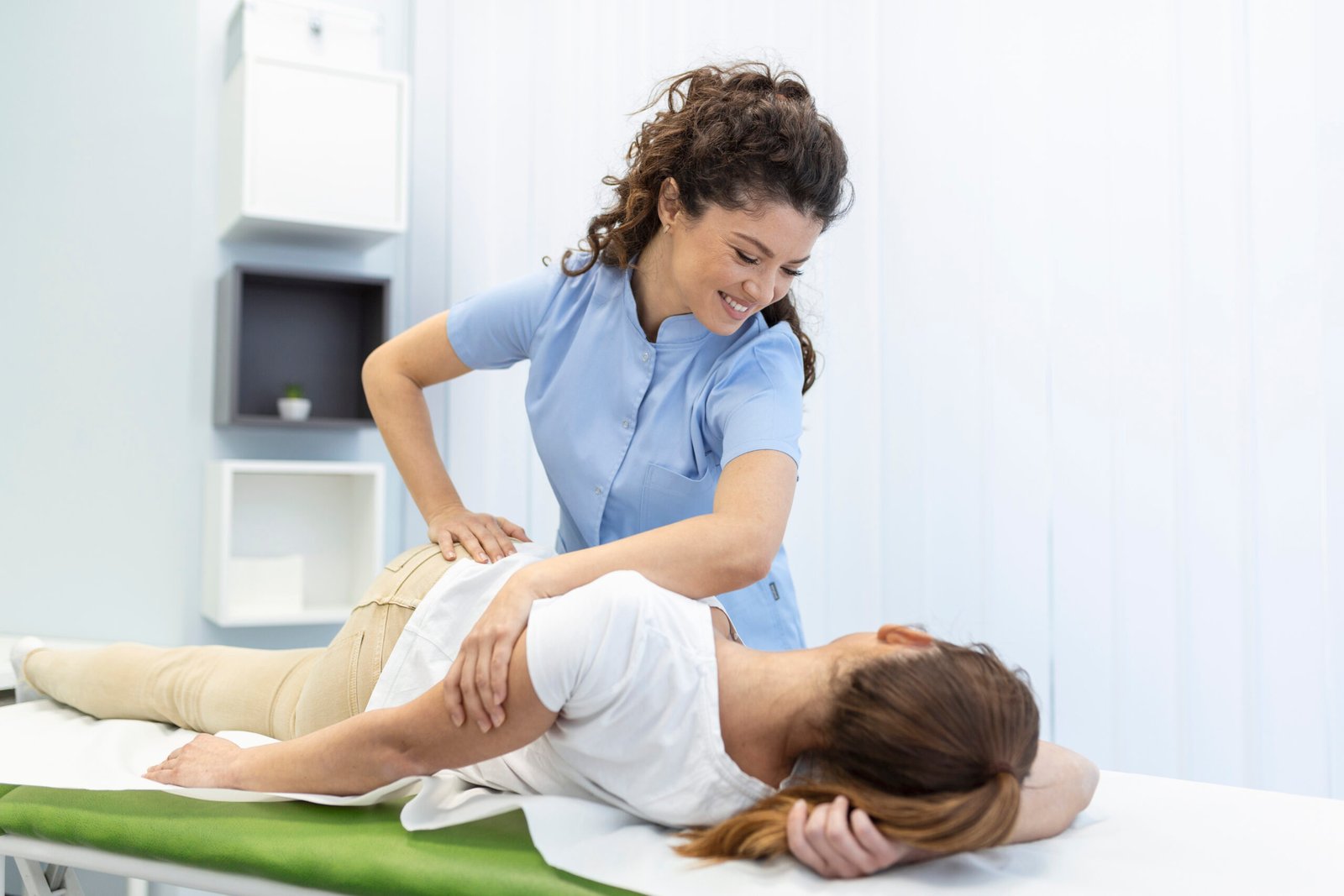
Musculoskeletal physiotherapy can help patients with back or neck pain, joint stiffness, sports injuries, arthritis and post-operative weakness. Following fracture fixation or joint replacement, rehabilitation supports safe walking, range of motion and progressive strengthening. Neurological rehabilitation may focus on balance, gait, limb control and daily function after stroke or other neurological illness when such services are available.
Treatment & Procedures
Conditions We Treat
- Post-operative weakness and stiffness
- Joint replacement rehabilitation
- Back and neck pain
- Sports and soft-tissue injuries
- Stroke and neurological disability, where supported
- Reduced mobility after hospitalisation
- Respiratory secretion and breathing problems
- Cardiac deconditioning, where supported
- Balance and gait problems
- Chronic musculoskeletal pain
Procedures / Services to Verify
- Physiotherapy assessment
- Range-of-motion exercises
- Strength and conditioning
- Gait and balance training
- Post-operative rehabilitation
- Chest physiotherapy
- Early mobilisation in ICU / wards
- Cardiac rehabilitation, where available
- Neurological rehabilitation, where available
- Home-exercise prescription
Our Features
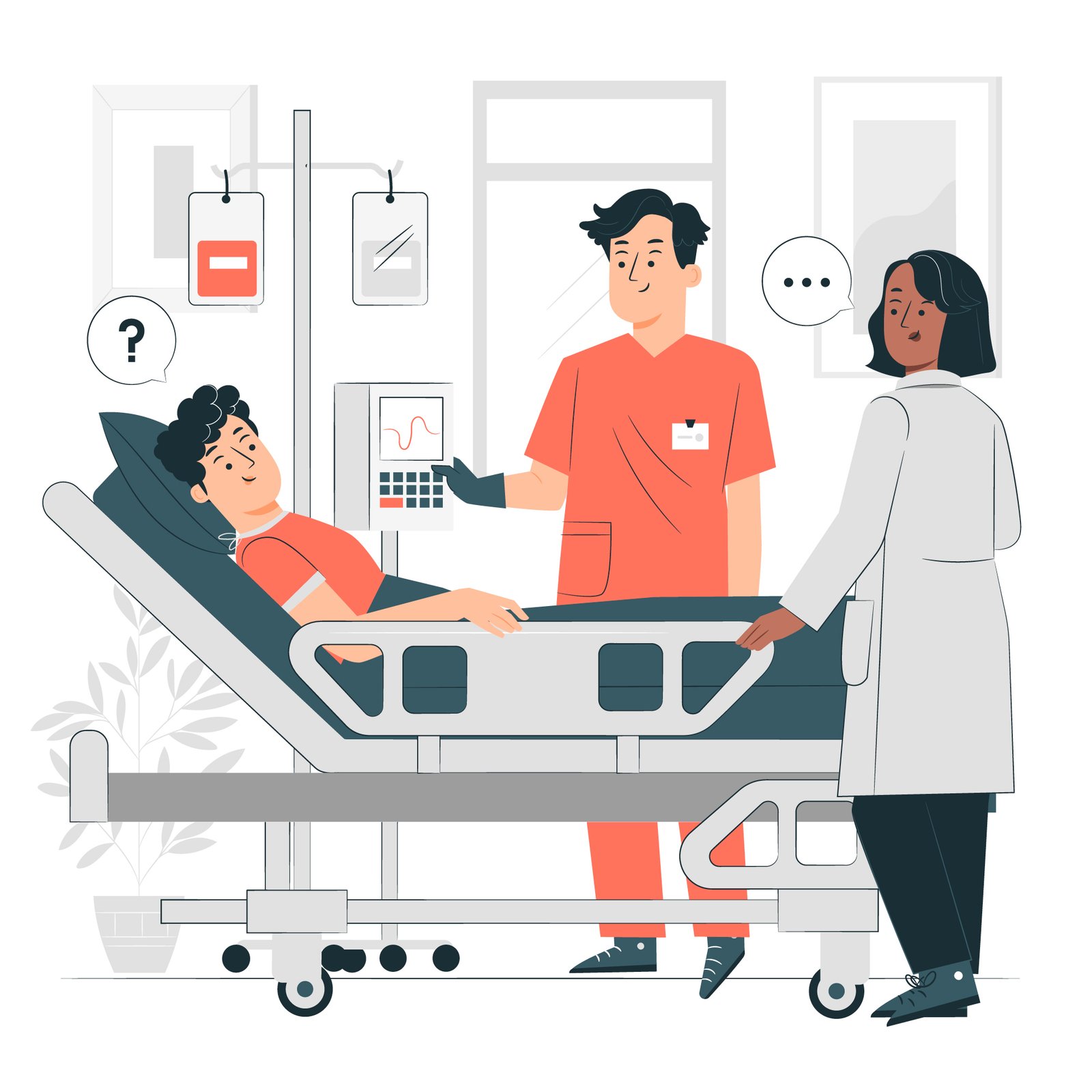
Cardiac and pulmonary rehabilitation combine supervised activity, breathing exercises, education and risk-factor management for selected patients recovering from heart or lung disease. In the ICU and hospital wards, physiotherapists may assist with chest physiotherapy, airway-clearance techniques, positioning, early mobilisation and prevention of deconditioning. Rehabilitation should be coordinated with the treating specialist, particularly after major surgery or critical illness.
The website should list specialised programmes only after confirming therapist expertise and equipment. Services such as cardiac rehabilitation, neuro-rehabilitation, vestibular therapy, paediatric physiotherapy, sports rehabilitation, pelvic-floor therapy or advanced electrotherapy should be verified individually. The page should avoid promising a fixed number of sessions or guaranteed recovery because rehabilitation varies by diagnosis and patient response. The final content should emphasise goal-based therapy, patient participation, home exercises, safety and measurable functional improvement. Patients with new neurological weakness, major trauma, chest pain or severe breathlessness should receive urgent medical evaluation before routine physiotherapy.
FAQ
Here are some answers to Frequently Asked Questions.

Do I need a doctor referral for physiotherapy?
Requirements vary, but hospital-based physiotherapy is often coordinated with the treating clinician, especially after surgery or serious illness.
How many physiotherapy sessions will I need?
There is no fixed number. Frequency and duration depend on diagnosis, severity, goals and response to treatment.
Is physiotherapy painful?
Some exercises may cause temporary discomfort, but treatment should be adjusted to safe, tolerable levels.
When can physiotherapy start after surgery?
Many patients begin mobilisation early, sometimes the same or next day, depending on the operation and surgeon's instructions.
Can physiotherapy help back pain?
Yes, many patients benefit from education, graded activity, mobility and strengthening after appropriate medical assessment.
What is chest physiotherapy?
It includes positioning, breathing exercises, mobilisation and airway-clearance techniques for selected respiratory conditions.
What is cardiac rehabilitation?
It is a structured programme combining supervised exercise, education and risk-factor management for selected cardiac patients.
Can stroke patients improve with rehabilitation?
Many patients can improve function through structured, repetitive and goal-based rehabilitation, although recovery varies.
Will I receive exercises to do at home?
Home exercises are often an important part of rehabilitation and should be performed as instructed.
When should physiotherapy be postponed?
New chest pain, severe breathlessness, acute neurological symptoms, uncontrolled fever or suspected serious injury require medical assessment first.