

DEPARTMENT OF ORTHOPAEDICSY
Orthopaedics
The Department of Orthopaedics provides evaluation, treatment and rehabilitation for conditions affecting bones, joints, muscles, ligaments, tendons and related structures. The department should be positioned as a comprehensive musculoskeletal service for patients of different age groups, ranging from acute injuries and fractures to degenerative joint disease, sports injuries and chronic mobility problems. Treatment should begin with an accurate diagnosis and a personalised plan that considers pain, function, lifestyle, age and overall health.
Specialized Treatment and Innovations
Common orthopaedic presentations include knee and hip arthritis, shoulder pain, back and neck complaints, fractures, ligament injuries, meniscal injuries, sports-related trauma, tendon disorders and osteoporosis-related injuries. Many problems can be managed without surgery through medicines, activity modification, physiotherapy, bracing, injections and structured rehabilitation. Surgery may be recommended when symptoms are severe, function is significantly affected or non-surgical care has not provided adequate relief.
Treatment & Procedures
Conditions We Treat
- Osteoarthritis of knee and hip
- Fractures and dislocations
- Sports injuries
- Ligament and meniscus injuries
- Shoulder disorders
- Back and neck pain
- Tendon and soft-tissue injuries
- Osteoporosis-related fractures
- Hand and foot disorders
- Post-traumatic deformity and mobility problems
Procedures / Services to Verify
- Fracture reduction and fixation
- Total knee replacement
- Total hip replacement
- Arthroscopy
- ACL / ligament reconstruction, where available
- Meniscus procedures
- Shoulder surgery, where available
- Spine procedures, where available
- Joint injections and non-operative interventions
- Post-operative orthopaedic rehabilitation

Collaborative Excellence
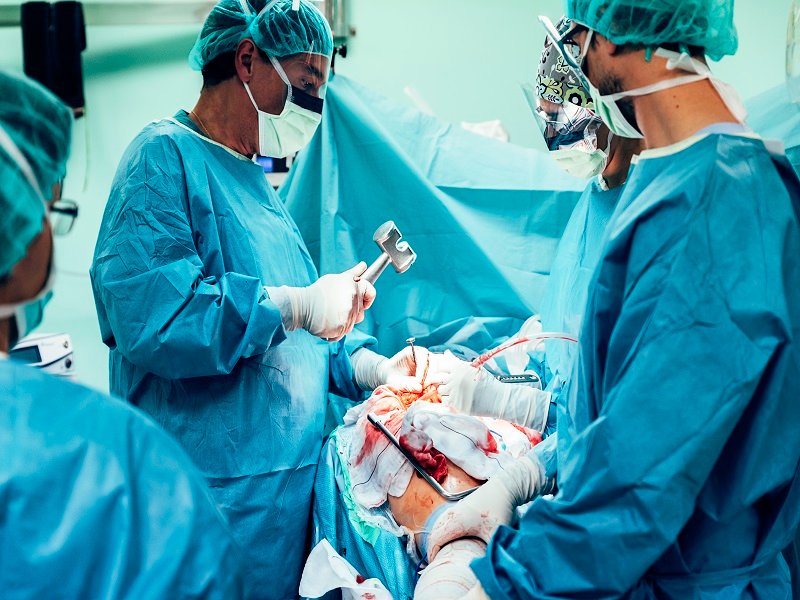
Where available, the surgical programme may include fracture fixation, arthroscopy, ligament reconstruction, joint replacement and selected spine or trauma procedures. Joint replacement is generally considered for patients with advanced joint damage causing persistent pain and disability. Successful outcomes depend not only on surgery but also on perioperative assessment, pain control, infection prevention, early mobilisation and physiotherapy.
The website should clearly distinguish between services routinely available at Cauvery and those offered through visiting or sub-specialist teams. If the hospital provides dedicated arthroplasty, sports medicine, spine, paediatric orthopaedics or complex trauma services, these should be confirmed and described separately. The final page should also emphasise coordinated rehabilitation and patient education, including fall prevention, bone health and safe return to activity. No statement should imply that every musculoskeletal condition requires surgery; conservative treatment remains an important part of orthopaedic care.
FAQ
Here are some answers to Frequently Asked Questions.

When should I consult an orthopaedic specialist?
Persistent joint or bone pain, swelling, deformity, reduced movement, recurrent instability, significant injury or difficulty walking should be assessed.
Does every fracture need surgery?
No. Some fractures can be treated with splints, casts or braces. Surgery is considered when alignment, stability, joint involvement or healing risk makes fixation appropriate.
When is knee replacement considered?
It is commonly considered for advanced arthritis causing persistent pain and functional limitation despite appropriate non-surgical treatment.
What is arthroscopy?
Arthroscopy is a minimally invasive procedure using a small camera and instruments to evaluate and treat selected joint problems.
How long does recovery after joint replacement take?
Recovery is individual. Walking usually begins early with assistance, while strength, endurance and confidence continue to improve over weeks to months.
Can sports injuries heal without surgery?
Many can. Treatment depends on the injured structure, instability, activity goals, age and response to rehabilitation.
What can physiotherapy do for orthopaedic problems?
Physiotherapy can improve movement, strength, balance and function and is important before or after some surgeries.
What is osteoporosis?
Osteoporosis is a condition in which bones become weaker and more prone to fracture. Risk assessment and treatment can reduce future fracture risk.
When is an orthopaedic injury an emergency?
Open fractures, severe deformity, loss of circulation or sensation, major trauma, suspected spinal injury or uncontrollable pain require urgent care.
How can I protect my joints?
Maintain healthy weight, stay active with appropriate exercise, strengthen supporting muscles, avoid tobacco and seek early care for persistent symptoms.