


Department of Obstetrics and Gynaecology
Obstetrics and Gynaecology
The Department of Obstetrics & Gynaecology provides healthcare for women across adolescence, reproductive years, pregnancy, childbirth, menopause and later life. The department should combine preventive care, routine gynaecology, maternity services and treatment for common and complex women’s health conditions. Patient privacy, informed choice and respectful communication are particularly important in this specialty.

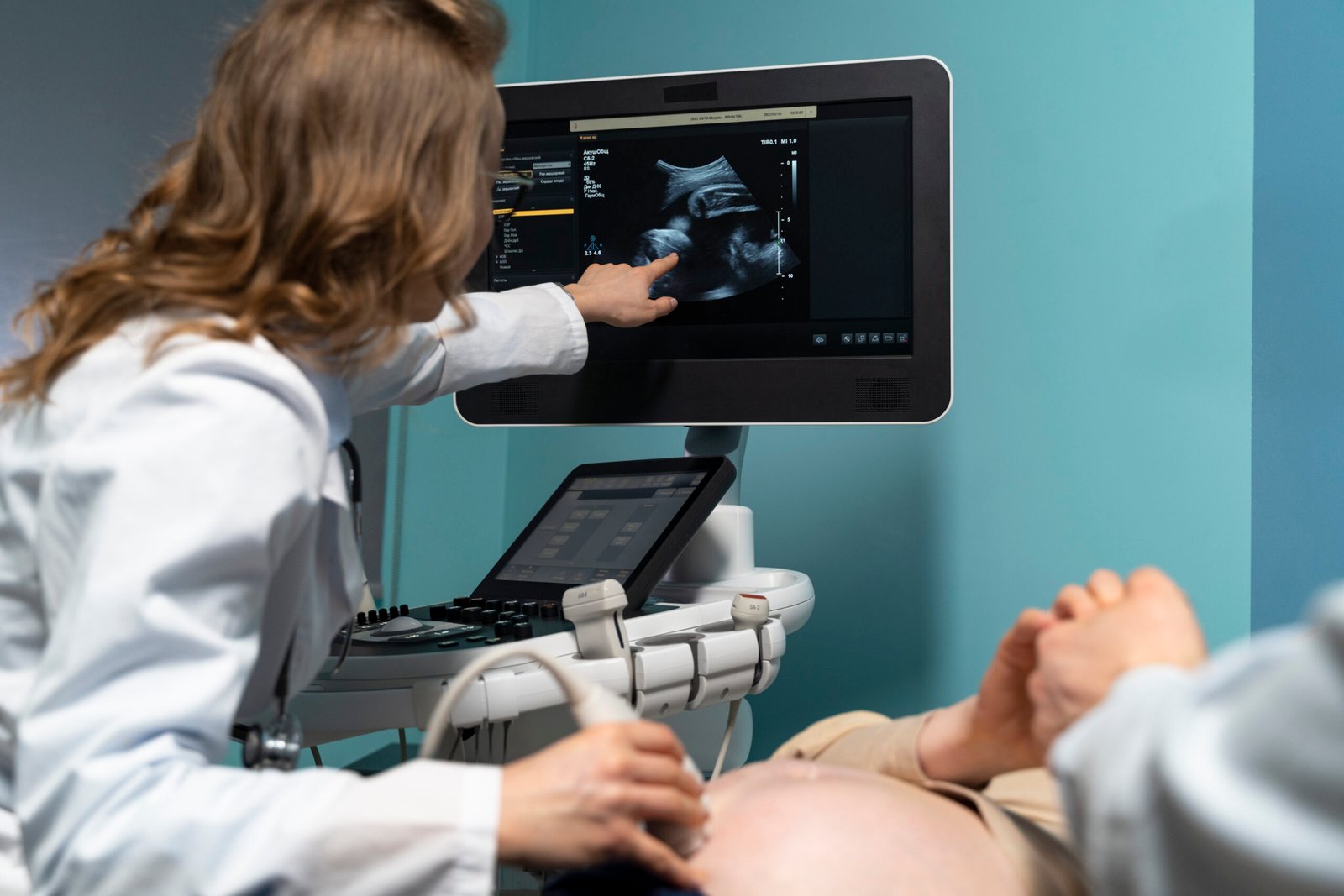
Consultant-Driven Team-Based Care for Optimal Obstetric Outcomes
Obstetric care begins with pre-pregnancy counselling or early antenatal assessment and continues through pregnancy, delivery and the postnatal period. Routine antenatal care includes monitoring maternal health, fetal growth and pregnancy-related risks. High-risk pregnancies may require closer surveillance when there are conditions such as hypertension, diabetes, multiple pregnancy, previous pregnancy complications or other maternal and fetal concerns. Labour and delivery services should be described according to actual hospital capability, including normal delivery, Caesarean section, emergency obstetric support, labour analgesia and neonatal backup.
Treatment & Procedures
Conditions We Treat
- Routine and high-risk pregnancy
- Menstrual disorders and abnormal uterine bleeding
- Uterine fibroids
- Ovarian cysts
- Polycystic ovary syndrome (PCOS)
- Endometriosis and pelvic pain
- Infertility evaluation
- Menopausal symptoms
- Pelvic infections
- Cervical and other gynaecological screening needs
Procedures / Services to Verify
- Antenatal and postnatal care
- Normal vaginal delivery
- Caesarean delivery
- High-risk pregnancy monitoring
- Ultrasound and pregnancy surveillance, as available
- Hysteroscopy
- Diagnostic and operative laparoscopy
- Myomectomy
- Hysterectomy
- Cervical screening / colposcopy, where available
Advanced Care: Obstetrics & Surgery
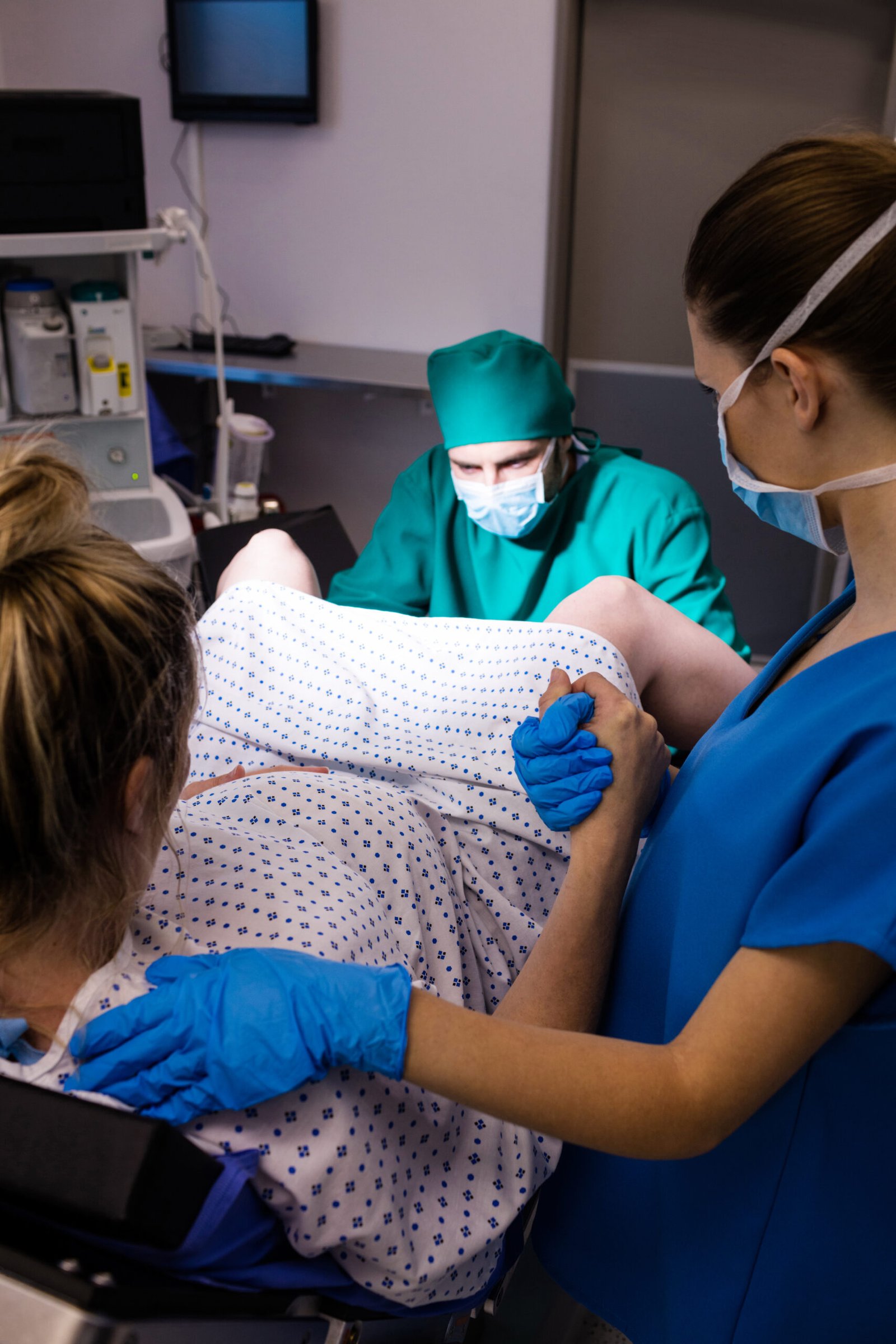
Gynaecology covers menstrual problems, abnormal uterine bleeding, fibroids, ovarian cysts, PCOS, endometriosis, pelvic pain, infections, fertility concerns, menopausal symptoms and other reproductive-health issues. Diagnostic evaluation may involve examination, ultrasound, laboratory tests, cervical screening, hysteroscopy or laparoscopy. Treatment ranges from medicines and lifestyle measures to minimally invasive and open surgery.
If Cauvery provides dedicated infertility treatment, foetal medicine, high-risk obstetrics, gynaecological oncology or advanced laparoscopic services, these should be verified and presented as sub-specialty services. The website should avoid promising fertility outcomes or describing all pregnancies as “safe” or “normal.” Instead, it should emphasise personalised assessment, multidisciplinary support, emergency readiness and clear counselling. All procedure names, maternity infrastructure and specialist availability should be approved by the Head of Department before publication.
FAQ
Here are some answers to Frequently Asked Questions.

When should antenatal care begin?
Contact an obstetric care provider early after pregnancy is confirmed so health history, medicines, investigations and pregnancy planning can be reviewed.
What is a high-risk pregnancy?
A pregnancy may be considered higher risk when maternal health conditions, previous complications, multiple pregnancy, fetal concerns or other factors increase the need for closer monitoring.
Does every fibroid need treatment?
No. Fibroids that do not cause symptoms may only need observation. Treatment depends on symptoms, size, location, age and fertility plans.
What is PCOS?
PCOS is a hormonal and metabolic condition that can affect periods, ovulation, fertility, skin and long-term metabolic health.
What is endometriosis?
Endometriosis occurs when tissue similar to the uterine lining grows outside the uterus and may cause pelvic pain, painful periods or fertility problems.
When is a Caesarean section needed?
A C-section may be recommended for maternal or fetal indications before or during labour. The decision is based on safety and clinical circumstances.
Can gynaecological surgery be done laparoscopically?
Many procedures can be performed using minimally invasive techniques, but suitability depends on diagnosis, anatomy, prior surgery and surgeon expertise.
When should abnormal bleeding be evaluated?
Very heavy bleeding, bleeding between periods, bleeding after sex or any postmenopausal bleeding should be medically assessed.
What is hysteroscopy?
Hysteroscopy uses a thin camera passed through the cervix to view the inside of the uterus and can diagnose or treat selected problems.
Do you provide fertility treatment?
The website should state only the fertility services actually available at Cauvery. Evaluation may include assessment of ovulation, reproductive anatomy and partner factors.