


Department of General & Laparoscopic surgery
GI & Laparoscopic surgery
The Department of GI & Laparoscopic Surgery provides surgical care for diseases affecting the gastrointestinal tract, abdominal wall and selected hepatobiliary organs. Many common abdominal conditions can now be treated using minimally invasive techniques, but the choice between laparoscopic and open surgery depends on diagnosis, patient factors, previous operations, anatomy, urgency and intra-operative findings. The department should therefore present minimally invasive surgery as an option where appropriate rather than as a guarantee.
Laparoscopic Procedures
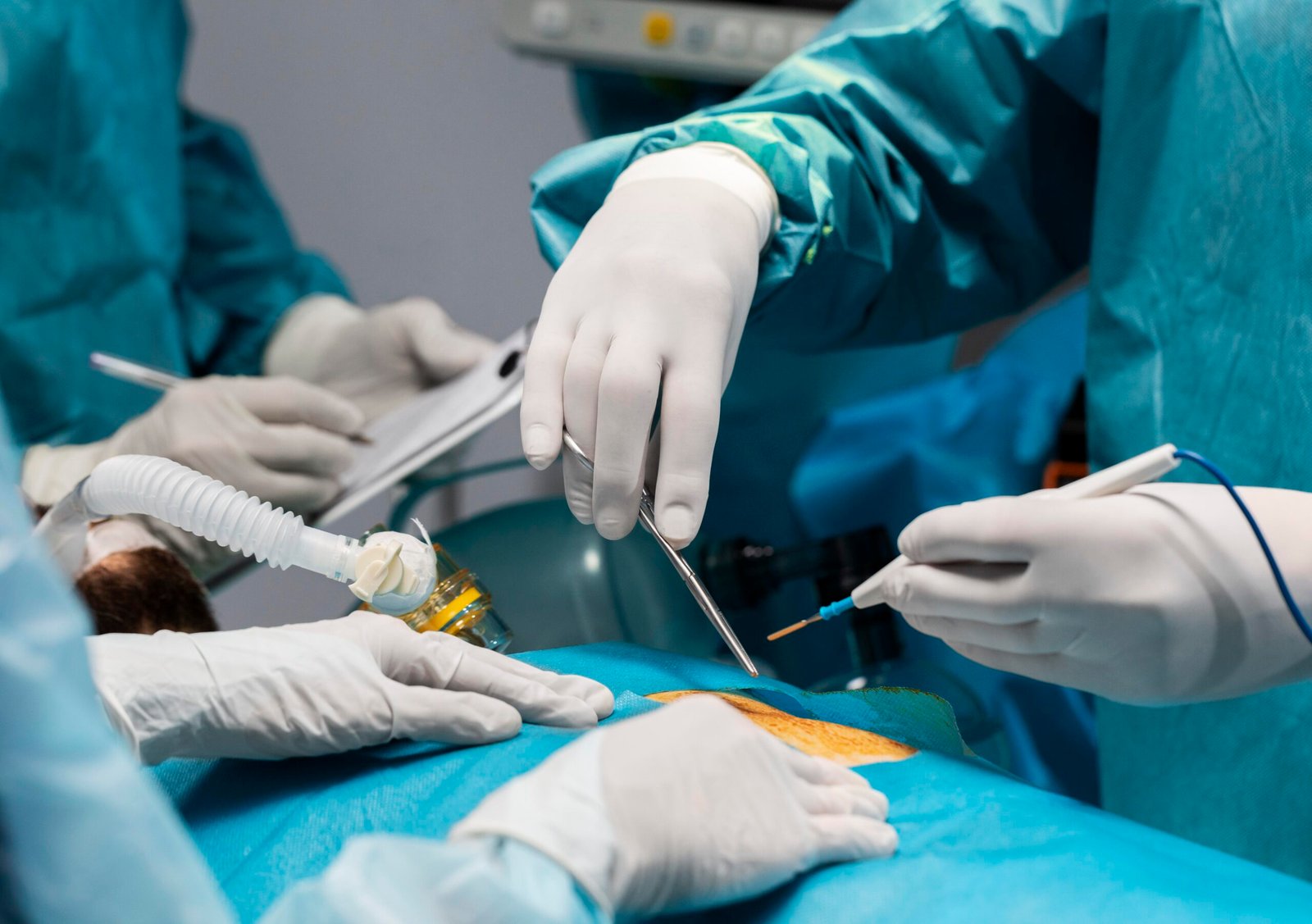
Common referrals include gallstones and gallbladder inflammation, appendicitis, abdominal-wall and groin hernias, bowel disorders, anorectal problems and selected stomach, colorectal, liver or pancreatic conditions. Emergency surgical care is an important part of the specialty and may involve acute abdominal pain, bowel obstruction, perforation, complicated infection or bleeding. Laparoscopy uses small incisions and a camera to perform selected operations, often helping reduce incision size and support earlier mobility; however, conversion to open surgery may occasionally be necessary for safety.
Treatment & Procedures
Conditions We Treat
- Gallstones and gallbladder disease
- Appendicitis
- Inguinal and abdominal-wall hernia
- Bowel obstruction
- Haemorrhoids, fissure and fistula
- Selected colorectal disease
- Selected stomach / upper-GI surgical disorders
- Abdominal infections and perforation
- Selected hepatobiliary disease
- GI cancers requiring surgical evaluation
Procedures / Services to Verify
- Laparoscopic cholecystectomy
- Laparoscopic or open appendicectomy
- Hernia repair
- Diagnostic laparoscopy
- Colorectal surgery, where available
- Anorectal procedures
- Bowel resection / emergency abdominal surgery
- Upper-GI surgery, where available
- Hepatobiliary surgery, where available
- Cancer surgery, where available
Advanced Surgical Care
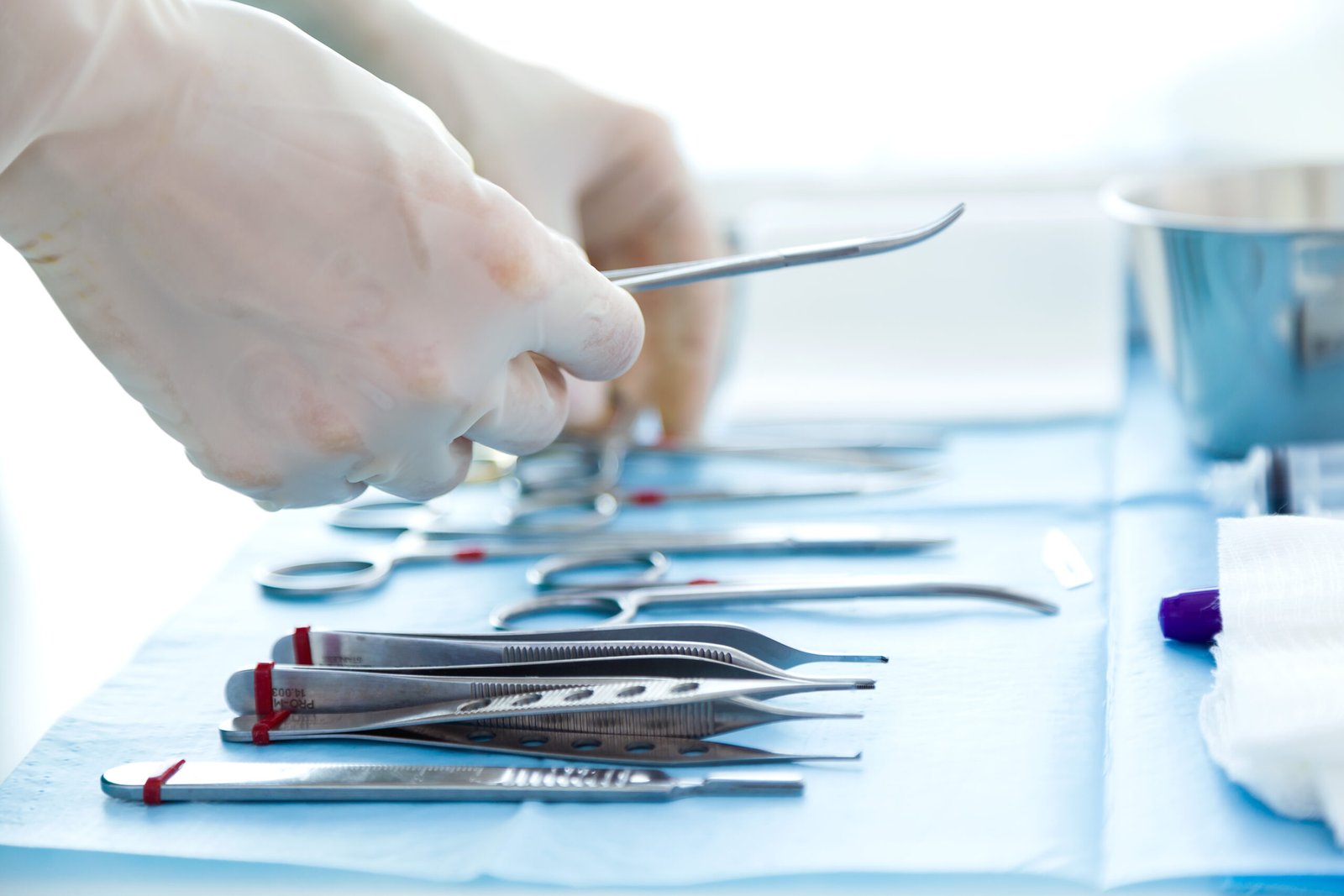
The department may include laparoscopic cholecystectomy, appendicectomy, hernia repair and selected colorectal or upper-GI procedures. Anorectal care can include treatment for haemorrhoids, fissure, fistula and other conditions. Where available, advanced GI surgery may involve cancer surgery, hepatobiliary procedures, pancreatic surgery or complex abdominal reconstruction.
The website should clearly separate Gastroenterology (medical and endoscopic care) from GI Surgery (operative treatment), while highlighting collaboration between both specialties. Advanced laparoscopic, bariatric, colorectal, HPB, cancer and robotic procedures should be listed only after confirming surgeon expertise and infrastructure. The page should emphasise diagnosis, shared decision-making, anaesthesia safety, pain control, early mobilisation and post-operative follow-up. Emergency warning symptoms such as severe persistent abdominal pain, vomiting with distension, bleeding or signs of sepsis should be directed to urgent evaluation.
FAQ
Here are some answers to Frequently Asked Questions.

What is laparoscopic surgery?
Laparoscopic surgery uses small incisions, a camera and specialised instruments to perform selected abdominal operations.
Is laparoscopic surgery always possible?
No. Some conditions require open surgery, and a laparoscopic operation may occasionally need conversion to open surgery for safety.
How are gallstones treated?
Asymptomatic stones may not need treatment. Symptomatic or complicated gallbladder disease may require laparoscopic gallbladder removal.
Does every hernia need surgery?
Not always immediately. The decision depends on symptoms, type, size, risk of complications and overall health.
What symptoms suggest appendicitis?
Pain that often starts centrally and moves to the right lower abdomen, nausea, loss of appetite and fever can occur, but diagnosis requires medical assessment.
What is a bowel obstruction?
A bowel obstruction blocks passage through the intestine and can cause pain, vomiting, distension and inability to pass stool or gas. It may require urgent treatment.
Can piles be treated without surgery?
Yes. Mild haemorrhoids may improve with diet, bowel-habit measures and medicines. Procedures are considered for persistent or severe symptoms.
How long is hospital stay after laparoscopy?
It varies by procedure and patient. Some operations allow short stays, while complex or emergency surgery requires longer admission.
What should I expect after abdominal surgery?
Pain control, early mobilisation, breathing exercises, gradual diet progression and wound care are common parts of recovery.
When is abdominal pain an emergency?
Severe persistent pain, rigid abdomen, repeated vomiting, bleeding, fainting or signs of sepsis should be assessed urgently.