


Department of Gastroenterology
Gastroenterology
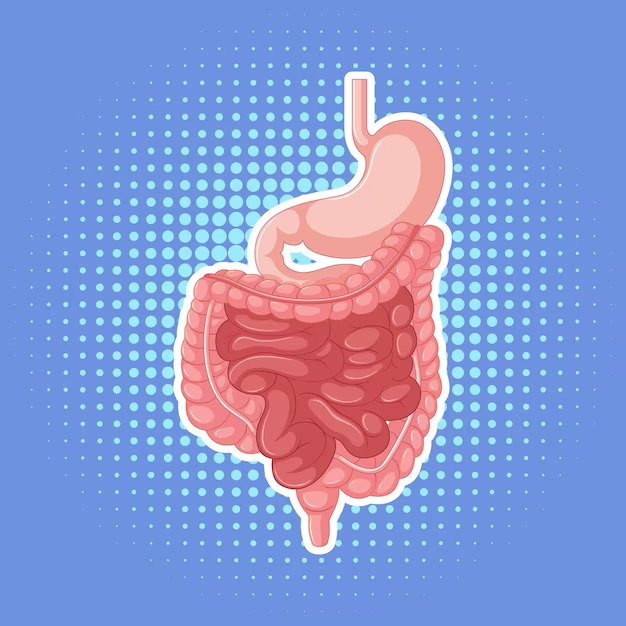
The Department of Gastroenterology provides medical evaluation and treatment for disorders of the digestive system, including the oesophagus, stomach, small intestine, colon, liver, pancreas, gallbladder and bile ducts. Patients may present with persistent abdominal pain, acidity or reflux, swallowing difficulty, vomiting, diarrhoea, constipation, jaundice, GI bleeding, unexplained weight loss, abnormal liver tests or changes in bowel habits.
Why Cauvery Hospital
Upper gastrointestinal endoscopy (gastroscopy) allows direct examination of the oesophagus, stomach and first part of the small intestine. Colonoscopy examines the large bowel and can support diagnosis, biopsy and removal of selected polyps. Endoscopic procedures may also help manage bleeding, strictures, foreign bodies and selected bile-duct or pancreatic conditions if advanced therapeutic endoscopy is available.
Treatment & Procedures
Conditions We Treat
- GERD / acid reflux
- Peptic-ulcer disease
- Gastritis and dyspepsia
- Irritable bowel syndrome
- Inflammatory bowel disease
- Liver disease and abnormal liver tests
- Pancreatitis
- Gastrointestinal bleeding
- Chronic diarrhoea or constipation
- Swallowing difficulty and digestive symptoms
Procedures / Services to Verify
- Upper GI endoscopy / gastroscopy
- Colonoscopy
- Biopsy during endoscopy
- Polypectomy, where available
- Endoscopic control of GI bleeding
- ERCP, where available
- Endoscopic dilatation, where available
- Liver-disease evaluation
- Pancreatic and biliary evaluation
- Therapeutic endoscopy, where available
Our Features
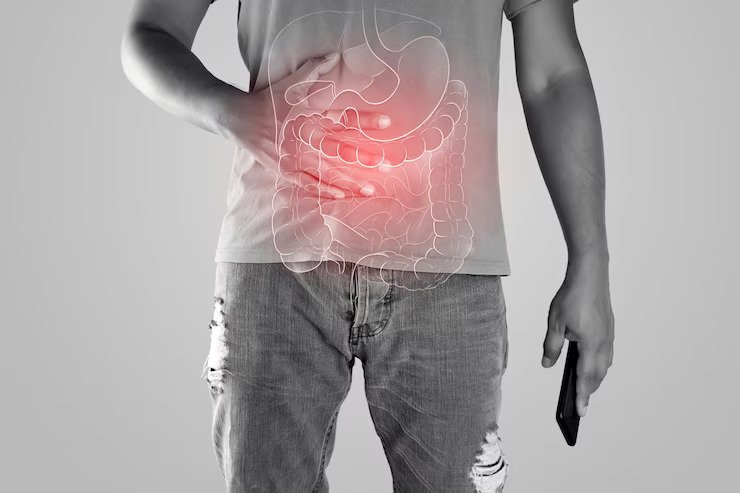
Common medical conditions include gastro-oesophageal reflux disease (GERD), peptic-ulcer disease, functional bowel disorders, inflammatory bowel disease, liver disorders and pancreatitis. Management often combines medicines, dietary changes, endoscopic assessment and follow-up. Patients with chronic liver disease may need evaluation of the cause, severity, complications and cancer-screening needs. Gastroenterology works closely with GI Surgery, Radiology, Oncology, Nutrition and Critical Care when disease is complex.
The website should confirm whether the hospital offers colonoscopy, ERCP, endoscopic ultrasound, therapeutic endoscopy, variceal treatment, polypectomy and liver-specialty services before publication. Gastroenterology should be separated from GI & Laparoscopic Surgery to avoid confusion between medical/endoscopic and operative care. The page should also provide clear red-flag guidance: vomiting blood, black stools, significant rectal bleeding, severe dehydration, jaundice with fever or severe abdominal pain require prompt assessment. The final message should focus on accurate diagnosis, evidence-based treatment, endoscopy safety and multidisciplinary care.
FAQ
Here are some answers to Frequently Asked Questions.

When should I see a gastroenterologist?
Persistent abdominal pain, swallowing difficulty, recurrent vomiting, GI bleeding, jaundice, unexplained weight loss or long-standing bowel changes should be assessed.
What is an upper GI endoscopy?
A flexible camera is passed through the mouth to examine the oesophagus, stomach and duodenum and to take biopsies if needed.
What is colonoscopy?
Colonoscopy uses a flexible camera to examine the colon and may allow biopsy or removal of selected polyps.
Is endoscopy painful?
Many procedures are performed with local throat anaesthesia and/or sedation. The team will explain comfort and sedation options.
What is GERD?
GERD is chronic reflux of stomach contents into the oesophagus, causing heartburn, regurgitation or other symptoms.
Does every patient with acidity need endoscopy?
No. Endoscopy is recommended based on age, symptoms, red flags, response to treatment and clinical judgement.
What causes jaundice?
Jaundice may arise from liver disease, bile-duct obstruction, blood disorders or other causes and requires medical evaluation.
What is inflammatory bowel disease?
IBD includes chronic inflammatory conditions such as ulcerative colitis and Crohn's disease and is different from irritable bowel syndrome.
When is rectal bleeding urgent?
Large-volume bleeding, dizziness, fainting, black stools or bleeding with severe illness requires urgent assessment.
Can diet help digestive problems?
Diet may improve some conditions, but restrictions should be diagnosis-specific. A gastroenterologist and dietitian can guide appropriate changes.