


Department of Dermatology
Dermatology
The Department of Dermatology provides diagnosis and treatment for diseases of the skin, hair, nails and mucous membranes. Skin conditions can affect comfort, sleep, appearance, work and quality of life, and many require long-term rather than one-time management. The department should serve children, adults and older patients with both common and complex dermatological concerns.


Why Cauvery Hospital
Frequent presentations include acne, eczema, psoriasis, fungal infections, bacterial and viral skin infections, pigmentation disorders, vitiligo, urticaria, hair loss, dandruff and nail disease. A dermatologist’s assessment is particularly important when a rash is severe, recurrent, widespread, associated with systemic symptoms or not responding to routine treatment. Hair loss has many causes—including genetic, nutritional, hormonal, inflammatory and stress-related factors—so diagnosis should precede treatment.
Treatment & Procedures
Conditions We Treat
- Acne
- Eczema / dermatitis
- Psoriasis
- Fungal and bacterial skin infections
- Vitiligo and pigmentation disorders
- Urticaria / hives
- Hair loss and scalp disorders
- Nail disorders
- Warts and benign skin lesions
- Suspicious or changing skin lesions
Procedures / Services to Verify
- Clinical skin examination
- Dermoscopy, where available
- Skin biopsy
- Cryotherapy
- Minor skin surgery
- Acne and scar management
- Hair-loss evaluation
- Chemical peels, where available
- Laser procedures, where available
- Medical / cosmetic dermatology counselling
Our Features
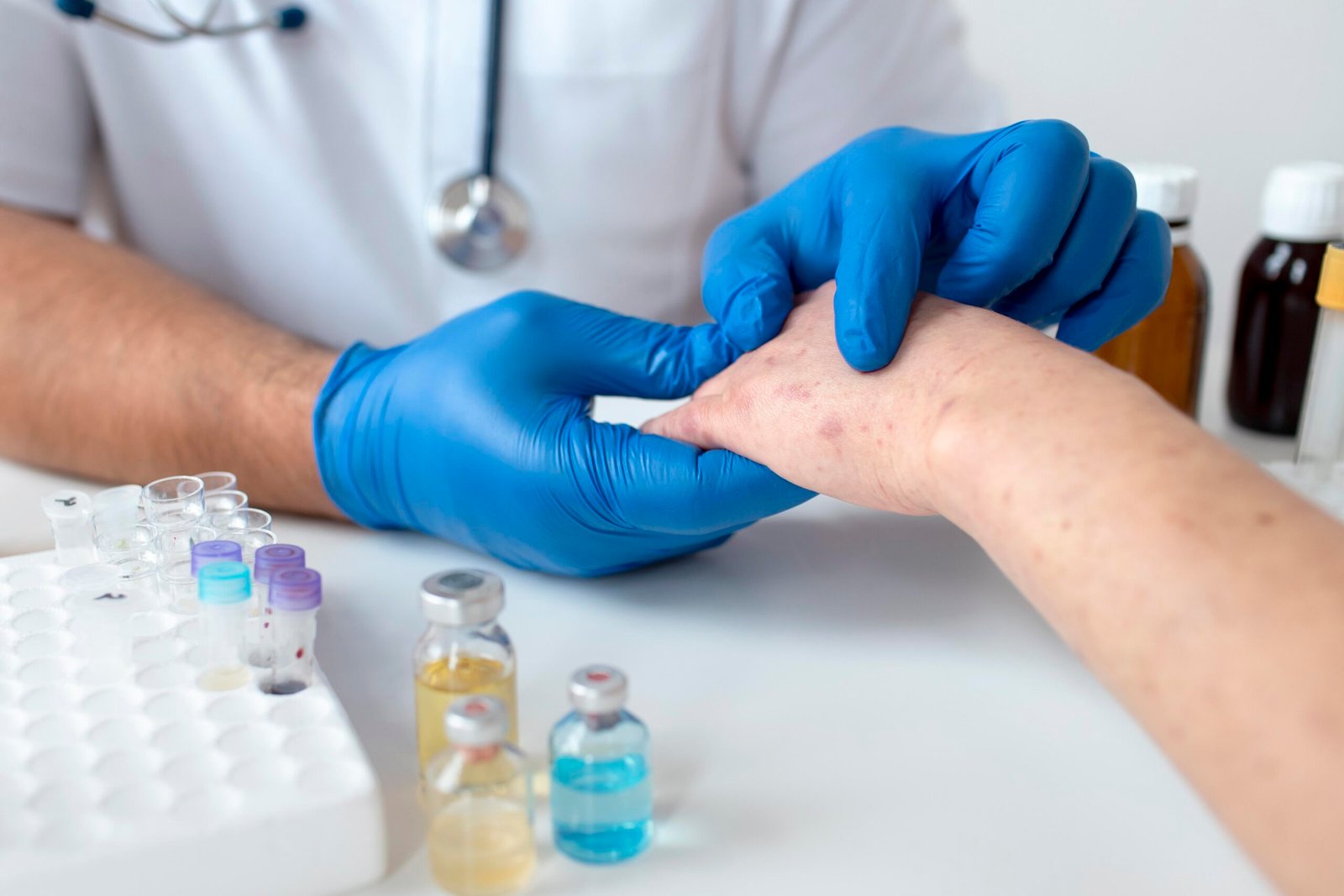
Dermatology may involve skin examination, dermoscopy, microscopy, laboratory testing and skin biopsy. Minor procedures can include removal or biopsy of selected lesions, cryotherapy and treatment of warts or other benign lesions. If cosmetic dermatology is offered, services such as chemical peels, lasers, scar treatment or injectables should be described separately from medical dermatology and only after confirming equipment, credentials and safety protocols.
The website should encourage evaluation of new or changing skin lesions, non-healing wounds, unusual pigmentation and significant hair or nail changes. Patients should be reminded that not every rash is an allergy and that self-treatment with steroid-containing combination creams can sometimes worsen infections or mask diagnosis. The final page should emphasise accurate diagnosis, individualised care, realistic expectations and long-term skin health. Any laser, aesthetic or procedural claims must be reviewed by the dermatologist and hospital management before publication.
FAQ
Here are some answers to Frequently Asked Questions.

When should I see a dermatologist for a rash?
Seek review if the rash is severe, persistent, recurrent, spreading, painful, blistering, associated with fever or not responding to appropriate treatment.
Is acne only a teenage problem?
No. Acne can affect adults as well. Treatment depends on severity, skin type, scarring risk and individual factors.
What causes hair loss?
Hair loss may result from genetics, hormones, nutritional factors, illness, medicines, autoimmune disease or scalp conditions.
Can psoriasis be cured permanently?
Psoriasis is usually a chronic condition. Treatment can control symptoms and reduce flares, but long-term follow-up may be needed.
Are all white patches vitiligo?
No. Several conditions can cause lighter skin. Examination is needed to confirm the diagnosis.
When should a mole or lesion be checked?
A new, changing, bleeding, irregular or non-healing lesion should be medically examined.
What is a skin biopsy?
A small sample of skin is removed under local anaesthesia and examined to help establish a diagnosis.
Can fungal infections recur?
Yes, especially with moisture, reinfection, diabetes or incomplete treatment. Correct diagnosis and adequate treatment are important.
Is dandruff the same as dry scalp?
Not always. Dandruff often relates to seborrhoeic dermatitis and may need medicated shampoos or other treatment.
Are cosmetic skin procedures suitable for everyone?
No. Suitability depends on skin type, medical history, the procedure and expectations. A qualified clinician should assess risks and benefits.