


Department OF Critical Care
Critical Care
The Department of Critical Care Medicine provides intensive monitoring and advanced organ support for patients who are critically ill, unstable or at high risk of rapid deterioration. Critical care is delivered in an ICU environment by a multidisciplinary team that may include intensivists, anaesthesiologists, nurses, respiratory therapists, physiotherapists, pharmacists, dietitians and specialists from the patient’s primary clinical department.


Why Cauvery Hospital
Patients may require ICU care because of severe infection or sepsis, respiratory failure, shock, major surgery, heart disease, neurological emergencies, kidney failure, major trauma or other life-threatening conditions. The ICU allows continuous monitoring of heart rhythm, blood pressure, oxygenation and other physiological parameters. Treatment may include oxygen therapy, non-invasive ventilation, invasive mechanical ventilation, vasopressor medicines, invasive lines, renal replacement therapy, nutritional support and close fluid management depending on the condition.
Treatment & Procedures
Conditions We Treat
- Sepsis and septic shock
- Respiratory failure
- Severe pneumonia
- Shock and haemodynamic instability
- Post-operative critical care
- Cardiac emergencies requiring intensive monitoring
- Acute kidney failure in critical illness
- Neurological emergencies
- Major trauma
- Multi-organ dysfunction
Procedures / Services to Verify
- Continuous physiological monitoring
- Oxygen therapy
- Non-invasive ventilation
- Mechanical ventilation
- Central venous and arterial access
- Vasopressor and haemodynamic support
- Bedside ultrasound, where available
- Renal replacement therapy / CRRT, where available
- Nutritional support
- Post-operative and multidisciplinary intensive care
Our Features
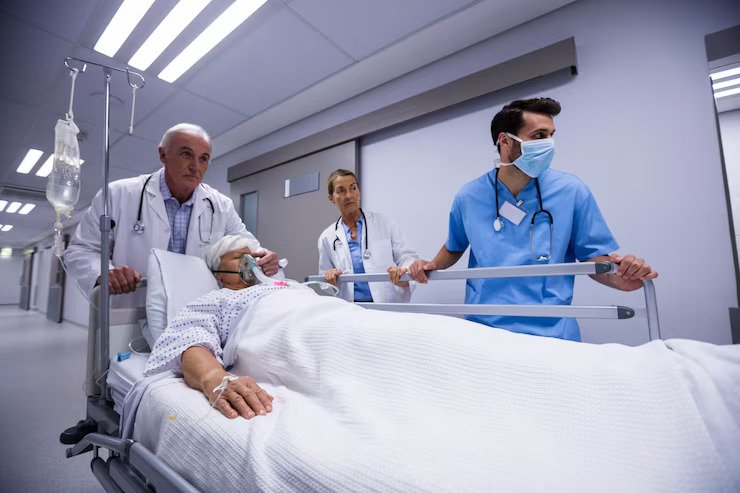
A key strength of critical care is rapid reassessment. Treatment plans are adjusted as the patient’s response changes, and specialists are involved when organ-specific expertise is required. Families also need structured communication about diagnosis, current priorities, expected course and uncertainty. Infection prevention, sedation management, delirium prevention, early mobilisation and nutrition are important components of modern ICU care.
The website should describe Cauvery’s actual ICU capacity, staffing model, ventilator availability, isolation facilities and renal-support capability only after verification. Terms such as “24/7 intensivist,” “dedicated cardiac ICU,” “neuro ICU,” “paediatric ICU” or “CRRT” should be used only if continuously supported. The page should not guarantee survival or recovery. Instead, it should communicate multidisciplinary care, close monitoring, evidence-based protocols, timely escalation and compassionate family communication. Emergency patients should be directed to the hospital’s emergency pathway rather than instructed to seek an ICU bed directly.
FAQ
Here are some answers to Frequently Asked Questions.

What is an ICU?
An ICU is a specialised area for patients who need continuous monitoring, advanced treatment or organ support.
Who decides whether ICU admission is Needed?
The treating and critical-care teams assess severity, organ-support needs and risk of deterioration to determine the appropriate level of care.
What is Mechanical Ventilation?
Mechanical ventilation supports breathing through a machine when a patient cannot breathe adequately on their own.
What is non-invasive Ventilation?
NIV provides breathing support through a mask without an endotracheal tube and is suitable for selected conditions.
What is sepsis?
Sepsis is life-threatening organ dysfunction caused by the body's response to infection and requires urgent treatment.
Why are so many monitors used in ICU?
Continuous monitoring helps the team detect changes in heart rhythm, blood pressure, oxygenation and other parameters quickly.
Can family members visit the ICU?
Visiting policies vary according to patient condition, infection control and hospital policy. The ICU team should explain current rules.
How are families updated?
A designated clinical team usually provides structured updates about diagnosis, treatment, changes and next steps.
Why might a patient need dialysis in ICU?
Severe acute kidney failure, fluid overload, electrolyte disturbances or other indications may require temporary renal replacement therapy.
What happens after a patient improves?
When intensive monitoring or organ support is no longer required, the patient may be transferred to a step-down unit or ward and continue rehabilitation.