

Department of Cardio Thoracic & Vascular surgery
CARDIOTHORACIC AND VASCULAR SURGERY
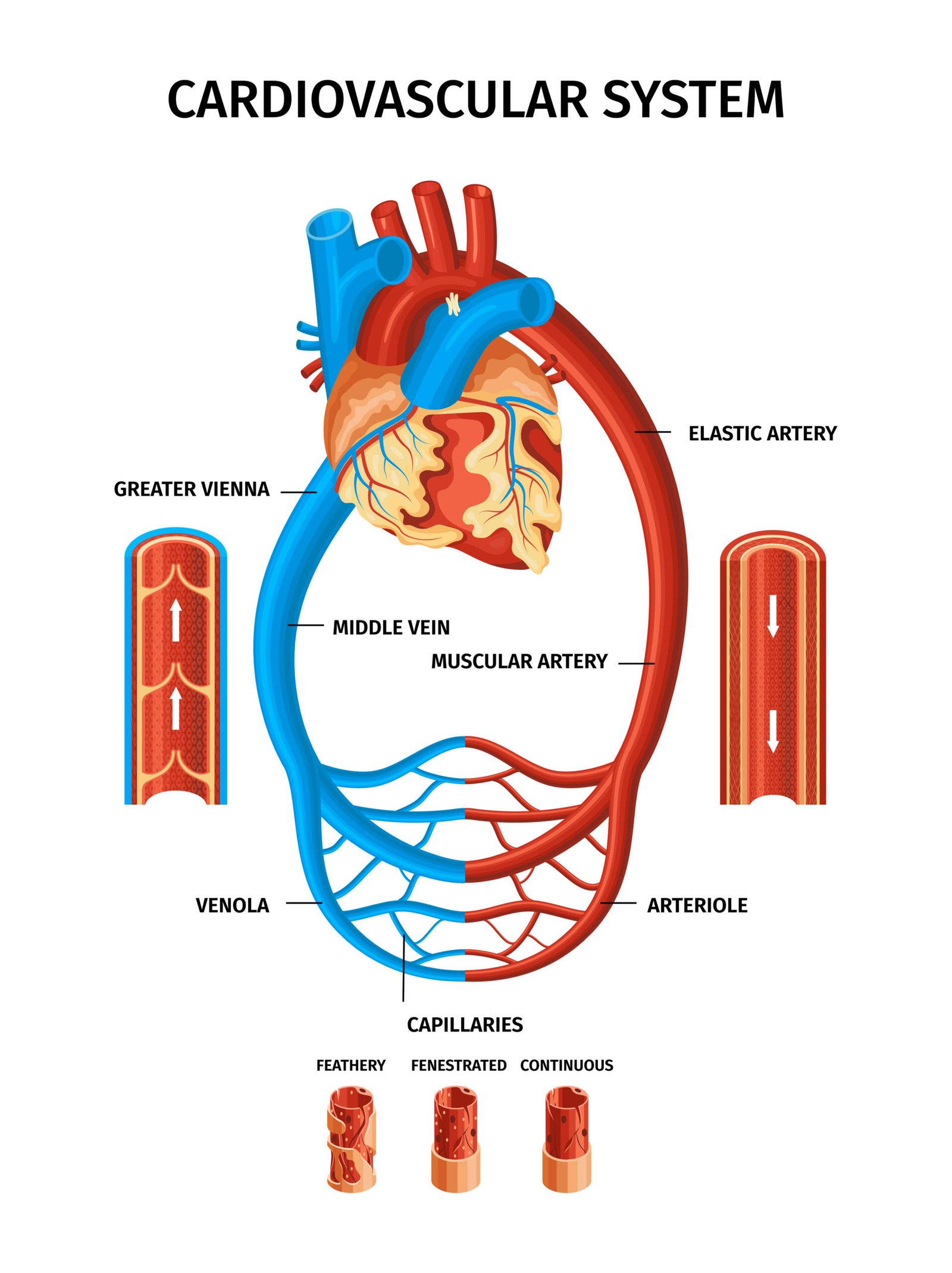
The Department of Cardiothoracic & Vascular Surgery provides surgical care for diseases involving the heart, major blood vessels and structures within the chest. The service should be presented as an integrated surgical programme that works closely with Cardiology, Cardiac Anaesthesia, Critical Care, Pulmonology, Radiology, Nephrology and Rehabilitation. Patients may be referred after coronary angiography, echocardiography, CT imaging, vascular studies or multidisciplinary review when surgery is considered the most appropriate treatment.

Advanced Diagnosis and Treatment
Coronary artery bypass grafting (CABG) is one of the core procedures associated with cardiac surgery and may be considered for selected patients with significant coronary artery disease. The department may also manage valve disease through valve repair or replacement, and may treat selected diseases of the aorta such as aneurysm or dissection depending on the hospital’s expertise and infrastructure. Thoracic surgery may involve operations on the lungs, mediastinum, pleura or other chest structures. Vascular surgery may include selected procedures for peripheral arterial disease, carotid disease, dialysis access or other arterial and venous conditions.
Treatment & Procedures
Conditions We Treat
- Complex coronary artery disease
- Heart valve disease
- Aortic aneurysm and selected aortic disease
- Selected congenital cardiac conditions
- Peripheral arterial disease
- Carotid and major-vessel disease
- Selected thoracic / lung surgical conditions
- Mediastinal masses
- Pleural disease requiring surgery
- Dialysis vascular access requirements
Procedures / Services to Verify
- Coronary artery bypass grafting (CABG)
- Off-pump CABG, if routinely performed
- Valve repair and valve replacement
- Aortic surgery, where available
- Redo cardiac surgery, where available
- Minimally invasive cardiac surgery, where available
- Thoracic surgery / VATS, where available
- Lung resection for appropriate cases
- Peripheral vascular bypass procedures
- AV fistula / vascular access procedures
- Coronary Angiography
- Coronary Angioplasty: also called percutaneous coronary intervention (PCI) for the treatment of coronary artery disease
- Complex PCI - Bifurcation, CTO, Image, and physiology guided PCI, Rotablation, IABP, IVUS, OCT, FFR, IFR
- Coronary thrombectomy which involves removing a blood clot from the coronary arteries
- Peripheral Vascular Disease Intervention which involves the other arteries like renal, carotid, subclavian, mesenteric, femoral or distal lower limb vessels
- Aortic Interventions - TEVAR, EVAR, Coarctation stenting
- Percutaneous Valve Repair - Balloon Mitral Valvotomy, Balloon Aortic Valvotomy, and Balloon Pulmonary Valvotomy
- Percutaneous Valve Repair - Transcatheter Aortic Valve Replacement (TAVI), Transcatheter Pulmonary Valve Replacement and Transcatheter Mitral Valve Replacement
- Congenital heart defect correction: like atrial and ventricular septal defects - device closures and device closure of patent ductus arteriosus (ASD, VSD & PDA)
- Structural heart interventions - LA appendage closure, Paravalvular leak closure, Ruptured sinus of Valsalva device closure, Post-MI VSR device closure and so on
- Bailout percutaneous paediatric interventions - Balloon atrial septostomy, PDA stenting and so on
- Cardiac catheterization with hemodynamic assessment for congenital heart disease, cardiomyopathies, valve lesions, pulmonary hypertension
- Cardiac pacemakers - Single-chamber and dual chamber. Implantation of Implantable Cardioverter Defibrillator (ICD/ AICD) and Cardiac Resynchronization Therapy (CRT)

- Carotid endarterectomy
- Carotid-Subclavian artery bypass surgery.
- Aorto-Femoral bypass surgery
- Femoro-Popliteal bypass surgery
- Surgery for Thoracic outlet syndrome (Cervical rib)
- Extra- anatomic arterial bypass surgery
- Emergency Arterial thrombus embolectomy.
Leading the Way in Cardiac Excellence
A high-quality CTVS programme depends on careful pre-operative assessment, surgical planning, advanced anaesthesia, perfusion services where cardiopulmonary bypass is required, intensive post-operative monitoring and structured rehabilitation. Patients and families should receive clear explanations regarding why surgery is recommended, expected benefits, major risks, alternatives, hospital stay and recovery.
Because cardiothoracic surgery encompasses a wide range of highly specialised procedures, the website should list only surgeries currently performed by the Cauvery team. Minimally invasive cardiac surgery, off-pump CABG, complex aortic surgery, congenital heart surgery, VATS, vascular bypass and emergency cardiac surgery should be verified individually before publication. The final page should reinforce the heart-team model, safety systems, operating theatre capability and coordinated post-operative care rather than making outcome guarantees.
FAQ
Here are some answers to Frequently Asked Questions.

What is CABG?
Coronary artery bypass grafting creates new pathways for blood to reach heart muscle beyond severely narrowed or blocked coronary arteries using graft vessels.
When is bypass surgery preferred over angioplasty?
The choice depends on coronary anatomy, number and location of blockages, diabetes, heart function, symptoms and overall health. A heart-team discussion may be recommended for complex disease.
What is valve repair or replacement?
Valve repair restores the patient's own valve when feasible. Valve replacement substitutes a severely diseased valve with a prosthetic valve when repair is not suitable.
How long is recovery after cardiac surgery?
Recovery varies with the operation, age, health and complications. Patients usually progress from ICU monitoring to ward care and then gradual rehabilitation at home.
Is every heart operation done through a full chest incision?
No. Some procedures can be performed using smaller incisions, but suitability depends on the condition, anatomy and surgical expertise.
What is VATS?
Video-assisted thoracoscopic surgery is a minimally invasive approach used for selected chest and lung procedures through small incisions with camera guidance.
What does a vascular surgeon treat?
Vascular surgery focuses on diseases of arteries and veins outside the heart, including selected limb circulation problems, carotid disease and access procedures.
Will I need ICU care after heart surgery?
Most major cardiac operations require planned intensive monitoring immediately after surgery before transfer to a ward.
What tests are commonly needed before surgery?
Tests may include blood work, ECG, echocardiography, coronary angiography, chest imaging, lung-function assessment and other studies depending on the proposed operation.
Can cardiac surgery be performed in an emergency?
Some conditions require urgent or emergency surgery. Availability depends on the hospital's 24/7 surgical, anaesthesia, perfusion, blood bank and ICU resources and should be confirmed locally.