


Department of Blood Bank
Blood Bank
The Blood Bank / Transfusion Medicine service supports safe collection, testing, storage and issue of blood and blood components for patients who require transfusion. Blood transfusion can be lifesaving in major bleeding, surgery, severe anaemia, cancer treatment and other medical conditions, but it must be carefully matched to the patient and used only when clinically indicated.


Before blood is issued, donor blood undergoes required screening and compatibility processes according to applicable laws, standards and hospital protocols. Blood grouping identifies ABO and Rh type, while compatibility testing helps reduce the risk of transfusion reactions. Modern transfusion practice commonly uses components rather than whole blood so patients receive the specific product needed, such as packed red blood cells, platelets or plasma.
Treatment & Procedures
Conditions We Treat
- Acute blood loss
- Severe anaemia requiring transfusion
- Perioperative transfusion needs
- Obstetric haemorrhage
- Critical-care transfusion requirements
- Platelet deficiency / thrombocytopenia
- Coagulation-factor support using plasma components
- Oncology-related transfusion support
- Emergency transfusion requirements
- Patients requiring compatibility testing
Procedures / Services to Verify
- ABO and Rh blood grouping
- Crossmatching / compatibility testing
- Packed red-cell issue
- Platelet component issue
- Fresh frozen plasma issue
- Cryoprecipitate, where available
- Donor screening and blood collection, if licensed on site
- Transfusion reaction evaluation
- Emergency blood issue protocols
- Component storage and haemovigilance
Our Features
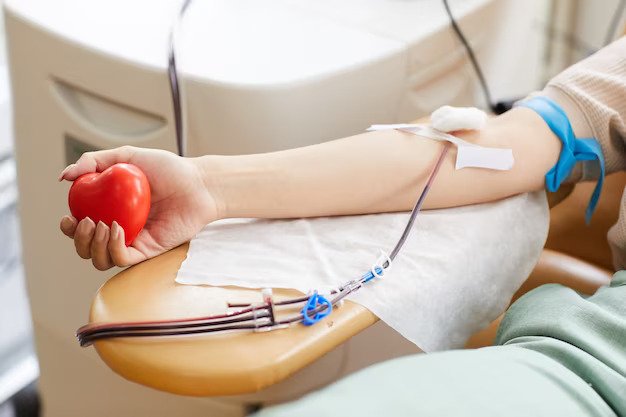
The service works closely with surgery, obstetrics, oncology, critical care, emergency medicine and other departments that may need urgent blood support. A hospital blood bank also plays a role in inventory management, cold-chain control, traceability and haemovigilance. Emergency access should be described accurately according to staffing, licensing and stock systems.
The website should avoid statements such as “all blood groups always available” unless this can be guaranteed. Blood availability depends on inventory and donor supply. The hospital should also confirm whether it conducts voluntary blood-donation camps, apheresis, irradiated components, leukoreduced components, cryoprecipitate or specialised transfusion testing before listing these services. The final page should encourage voluntary donation where appropriate and explain that donor eligibility is assessed to protect both donor and recipient. All content should be reviewed by the blood-bank medical officer for compliance with Indian regulatory requirements and current institutional practice.
FAQ
Here are some answers to Frequently Asked Questions.

Why is blood crossmatching necessary?
Crossmatching checks compatibility between donor blood and the recipient before transfusion and helps reduce serious reactions.
What are blood components?
Whole blood can be separated into components such as red cells, platelets and plasma so patients receive the part they specifically need.
Can any blood group be given to any patient?
No. Blood-group compatibility is important. Emergency protocols exist for special situations but are managed by trained clinicians and the blood bank.
Is donated blood tested?
Donated blood is screened according to applicable regulatory standards for transfusion-transmitted infections and blood-group compatibility.
Who decides whether I need a transfusion?
The treating clinician considers symptoms, haemoglobin or platelet levels, bleeding, medical condition and alternatives before recommending transfusion.
Can a patient refuse blood transfusion?
Patients should discuss concerns, alternatives and risks with the treating team. Consent and legal/clinical requirements apply.
What is a transfusion reaction?
A transfusion reaction is an adverse response during or after transfusion. Any new fever, rash, breathing difficulty or pain should be reported immediately.
Can everyone donate blood?
No. Donors are screened for age, health, haemoglobin, infection risk, medicines and other eligibility criteria.
How long does a blood donation take?
The collection itself is usually relatively short, but registration, screening, donation and observation together take longer.
Why can blood availability vary?
Blood components have limited shelf lives and inventory depends on compatible donations and clinical demand.