


Department of Anaesthesiology & Pain Management
Anaesthesiology
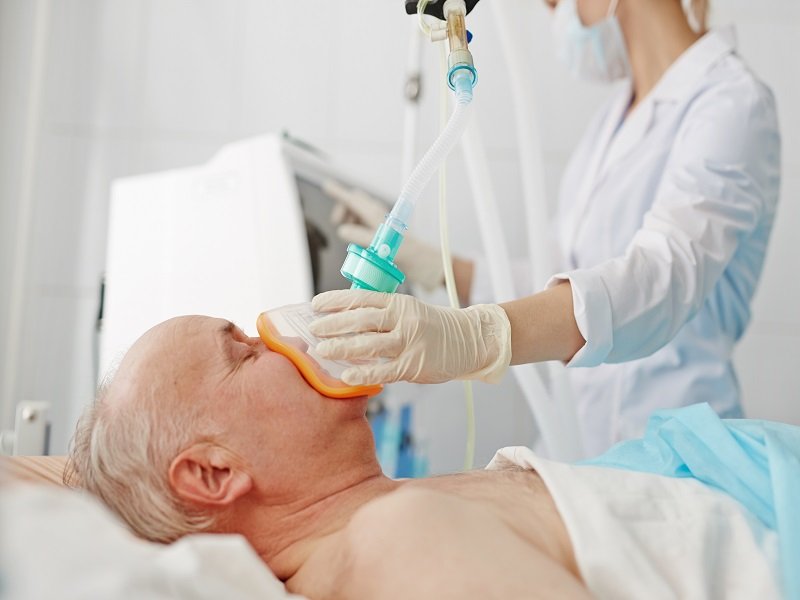
The Department of Anaesthesiology provides perioperative care before, during and after surgery or procedures requiring anaesthesia or sedation. Anaesthesiologists assess the patient’s medical condition, help determine the safest anaesthetic plan, monitor vital functions throughout the procedure and manage pain, airway, breathing, circulation and other physiological needs. The department works across operating theatres, procedural areas, labour services, Critical Care and emergency care.

Why Cauvery Hospital
Pre-anaesthetic assessment is an important safety step. It reviews medical history, previous anaesthesia, allergies, medicines, heart and lung conditions, airway factors, laboratory results and the planned surgery. Patients may receive general anaesthesia, regional anaesthesia, spinal or epidural anaesthesia, local anaesthesia with sedation, or a combination depending on the procedure and patient factors.
Treatment & Procedures
Conditions We Treat
- Patients requiring surgical anaesthesia
- High-risk perioperative medical conditions
- Acute post-operative pain
- Labour pain, where service is available
- Procedure-related sedation requirements
- Difficult airway risk
- Chronic pain conditions, if clinic available
- Patients requiring regional nerve blocks
- Post-operative nausea and pain concerns
- Critical-care airway and procedural support
Procedures / Services to Verify
- Pre-anaesthetic evaluation
- General anaesthesia
- Spinal anaesthesia
- Epidural anaesthesia
- Regional nerve blocks
- Monitored anaesthesia care / sedation
- Post-operative pain management
- Labour analgesia, where available
- Ultrasound-guided blocks, where available
- Difficult-airway management
Our Features

During surgery, anaesthesia teams continuously monitor parameters such as oxygenation, blood pressure, heart rhythm, ventilation and temperature. After the procedure, recovery-room monitoring continues until the patient is stable. Pain management can include medicines, nerve blocks, epidural techniques and multimodal strategies designed to reduce discomfort and support earlier breathing, mobilisation and rehabilitation.
If Cauvery provides labour analgesia, dedicated chronic-pain services, ultrasound-guided regional blocks, cardiac anaesthesia or advanced difficult-airway services, these should be confirmed before being promoted. The page should advise patients to disclose all medicines, allergies, previous anaesthetic problems, loose teeth, sleep apnoea and significant medical history. It should not claim that anaesthesia is risk-free; rather, the anaesthesiologist discusses expected benefits, common side effects and individual risks. The final content should reinforce safety, continuous monitoring, pain control and multidisciplinary perioperative care.
FAQ
Here are some answers to Frequently Asked Questions.

Will I meet an anaesthesiologist before surgery?
Yes. A pre-anaesthetic review is used to understand your health, medicines, allergies and the planned procedure.
What is general anaesthesia?
General anaesthesia produces a controlled state of unconsciousness with continuous monitoring and support of vital functions.
What is spinal anaesthesia?
Spinal anaesthesia involves injecting local anaesthetic around the lower spinal nerves to numb the lower body for selected procedures.
What is an epidural?
An epidural uses a catheter placed near spinal nerves to provide regional pain relief and may be used for surgery or labour.
Can I eat before anaesthesia?
Fasting instructions vary by procedure and patient. Follow the exact instructions given by your anaesthesia or surgical team.
Should I take my regular medicines on surgery day?
Some medicines are continued and others may need adjustment. Do not stop or take medicines differently unless instructed.
What are common side effects after anaesthesia?
Nausea, sore throat, drowsiness, shivering or temporary discomfort can occur, depending on the type of anaesthesia and procedure.
What is a nerve block?
A nerve block uses local anaesthetic near specific nerves to reduce pain in a particular region of the body.
Is anaesthesia safe for patients with heart or lung disease?
Many patients with medical conditions undergo anaesthesia safely after individual risk assessment and optimisation, but risk varies by condition and surgery.
What information should I tell the anaesthesiologist?
Report all medicines, allergies, previous anaesthesia problems, dental issues, sleep apnoea, smoking, pregnancy possibility and major medical conditions.