


Department of Nephrology
Nephrology
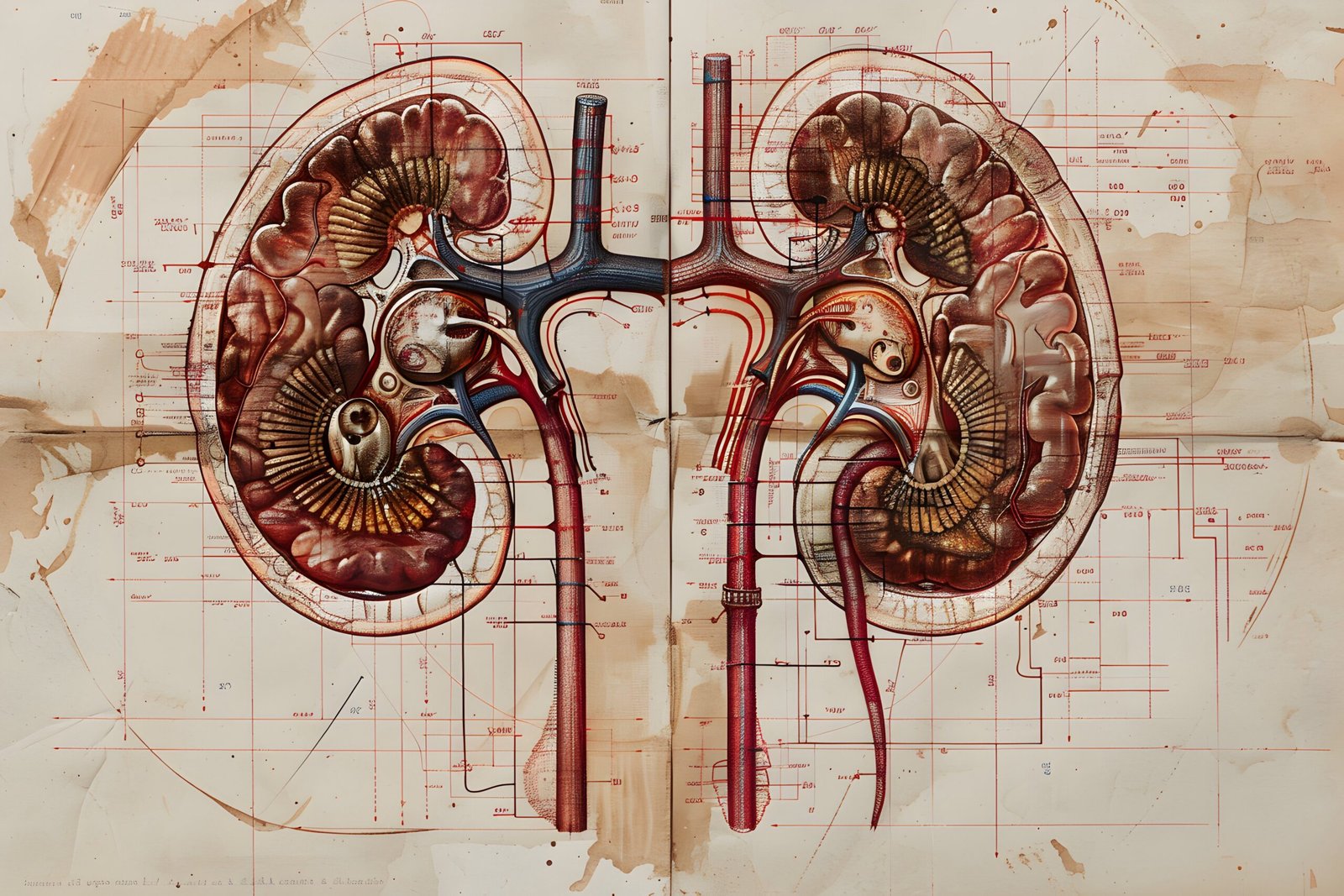
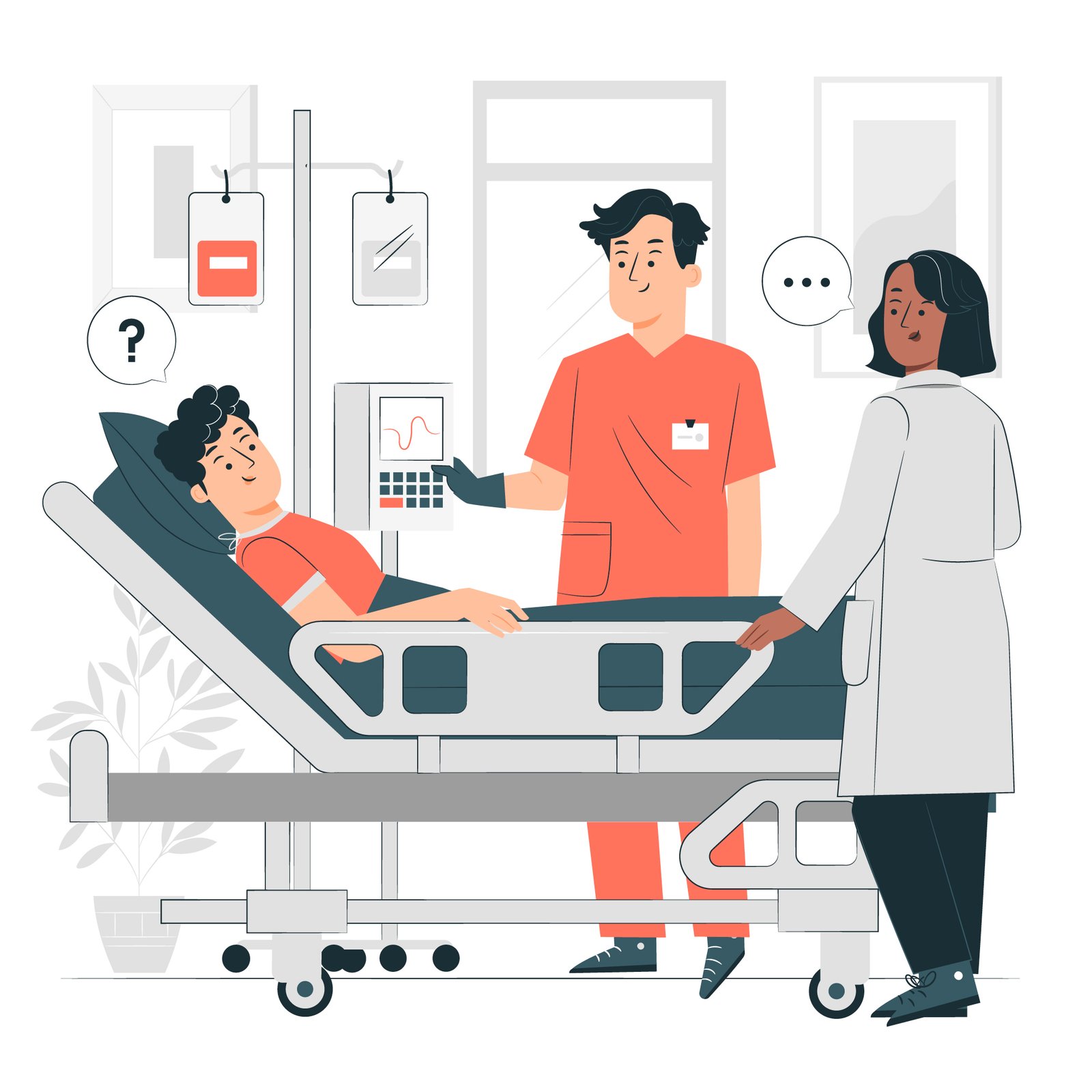
The Department of Nephrology focuses on medical conditions affecting the kidneys and related problems such as difficult-to-control blood pressure, fluid imbalance and electrolyte disorders. Kidney disease can be silent in its early stages, so timely evaluation of abnormal kidney-function tests, protein or blood in urine, swelling, unexplained hypertension or recurrent electrolyte abnormalities is important. The department should provide both outpatient and inpatient nephrology care and work closely with Critical Care, Cardiology, Urology, Diabetology/Internal Medicine and the Blood Bank.
Why Cauvery Hospital
Chronic kidney disease (CKD) is a long-term reduction in kidney health that may progress slowly over time. Management aims to identify the cause, slow progression, control blood pressure and diabetes, adjust medicines, manage anaemia and mineral-bone complications, and prepare for renal replacement therapy when needed. Acute kidney injury (AKI), in contrast, is a sudden decline in kidney function and may occur with severe infection, dehydration, surgery, obstruction, medicines or critical illness.
Treatment & Procedures
Conditions We Treat
- Chronic kidney disease
- Acute kidney injury
- Diabetic kidney disease
- Hypertensive kidney disease
- Nephrotic and nephritic syndromes
- Electrolyte disorders
- Protein or blood in urine
- Fluid overload and oedema
- Difficult-to-control hypertension
- Kidney failure requiring renal replacement therapy
Procedures / Services to Verify
- Nephrology consultation and kidney-function monitoring
- Haemodialysis
- Emergency dialysis, if available
- ICU renal replacement therapy / CRRT, if available
- Kidney biopsy, where available
- Dialysis catheter care
- AV fistula planning with vascular surgery
- Anaemia and CKD-mineral bone disease management
- Pre-transplant evaluation / referral
- Post-transplant follow-up, if supported
Nephrology Expertise

Dialysis services should be described precisely according to hospital capacity. Haemodialysis may be required in advanced kidney failure or certain acute situations. Critically ill patients may require continuous or prolonged renal replacement therapy if this is available in the ICU. Kidney biopsy may be used in selected patients to establish diagnosis. Patients approaching advanced kidney failure may need counselling regarding dialysis access and transplant referral.
The website should not imply that all patients with CKD require dialysis. Many can be managed for years with medical treatment and monitoring. Likewise, transplant services should be mentioned only if the hospital has the required programme or formal referral pathway. All dialysis timings, emergency availability, infection-control systems and ICU renal-support modalities should be confirmed by the nephrology and dialysis teams before publication.
FAQ
Here are some answers to Frequently Asked Questions.

When should I see a nephrologist?
You may be referred for reduced kidney function, persistent protein or blood in urine, recurrent electrolyte problems, difficult hypertension or advanced kidney disease.
Does chronic kidney disease always lead to dialysis?
No. Many people with CKD never require dialysis, especially when the cause and risk factors are managed early.
What is acute kidney injury?
AKI is a sudden decline in kidney function that can occur because of infection, dehydration, medicines, obstruction, surgery or critical illness.
What is dialysis?
Dialysis removes waste and excess fluid from the blood when kidney function is insufficient. It may be temporary or long term depending on the cause.
How often is haemodialysis required?
Frequency depends on kidney function, fluid status, laboratory results, symptoms and the dialysis prescription. Long-term schedules are individualised.
Can diabetes damage the kidneys?
Yes. Diabetes is an important cause of CKD. Good glucose and blood-pressure control can reduce kidney complications.
Why is protein found in urine?
Protein in urine can be a sign of kidney-filter damage and should be interpreted with other tests and clinical findings.
What is a kidney biopsy?
A kidney biopsy removes a small tissue sample for microscopic examination to help diagnose selected kidney diseases.
Can medicines affect kidney function?
Yes. Some medicines can worsen kidney function or require dose adjustment in CKD. Patients should tell clinicians about all prescription and non-prescription medicines.
How can I protect my kidneys?
Control diabetes and blood pressure, avoid unnecessary nephrotoxic medicines, stay appropriately hydrated, avoid tobacco and attend follow-up if you have kidney disease.